
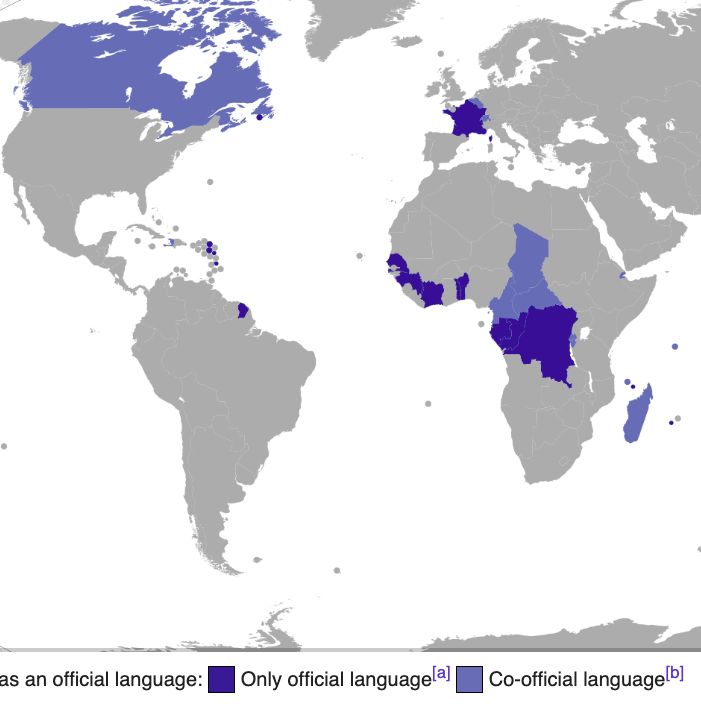
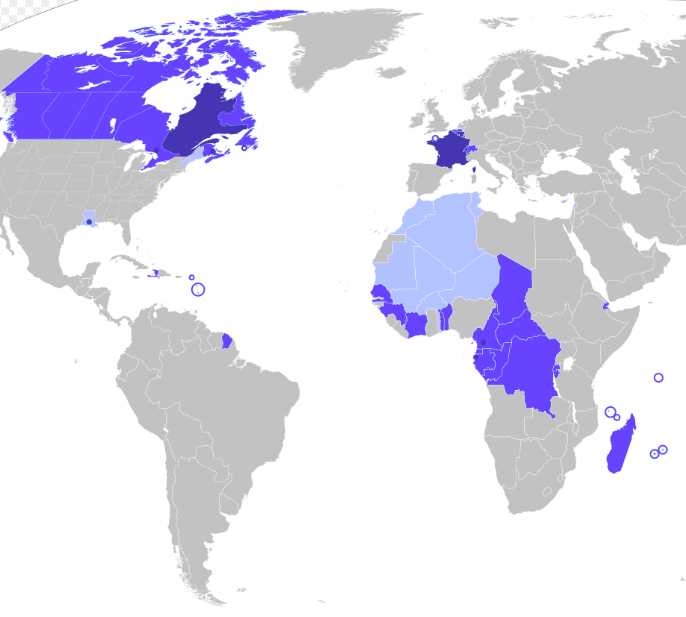
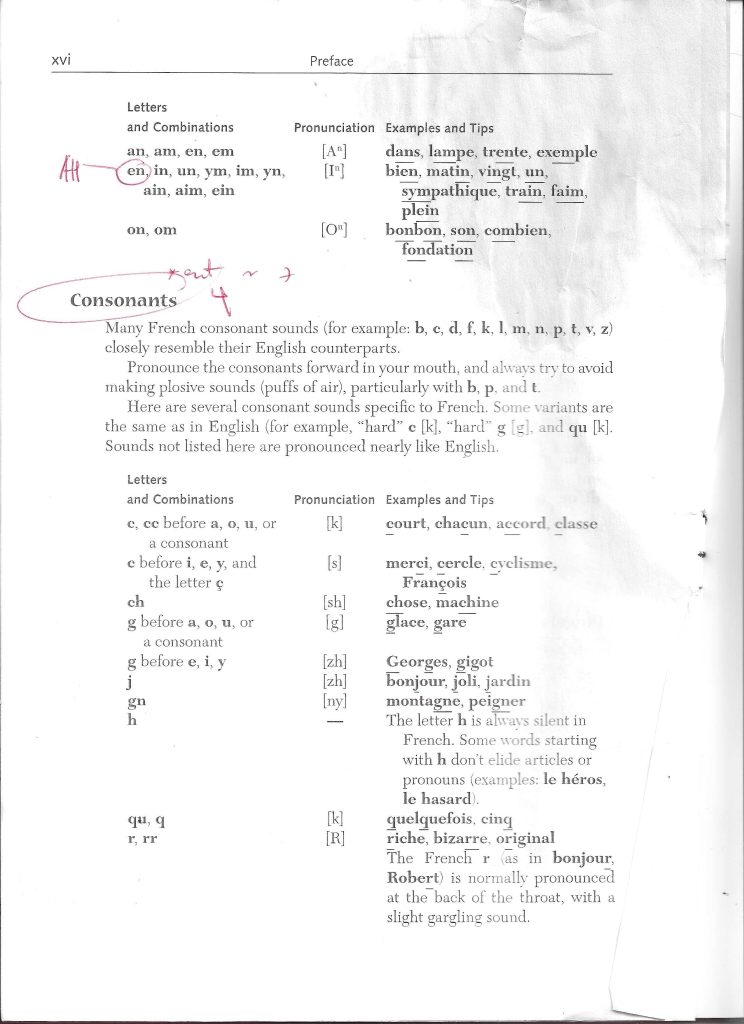
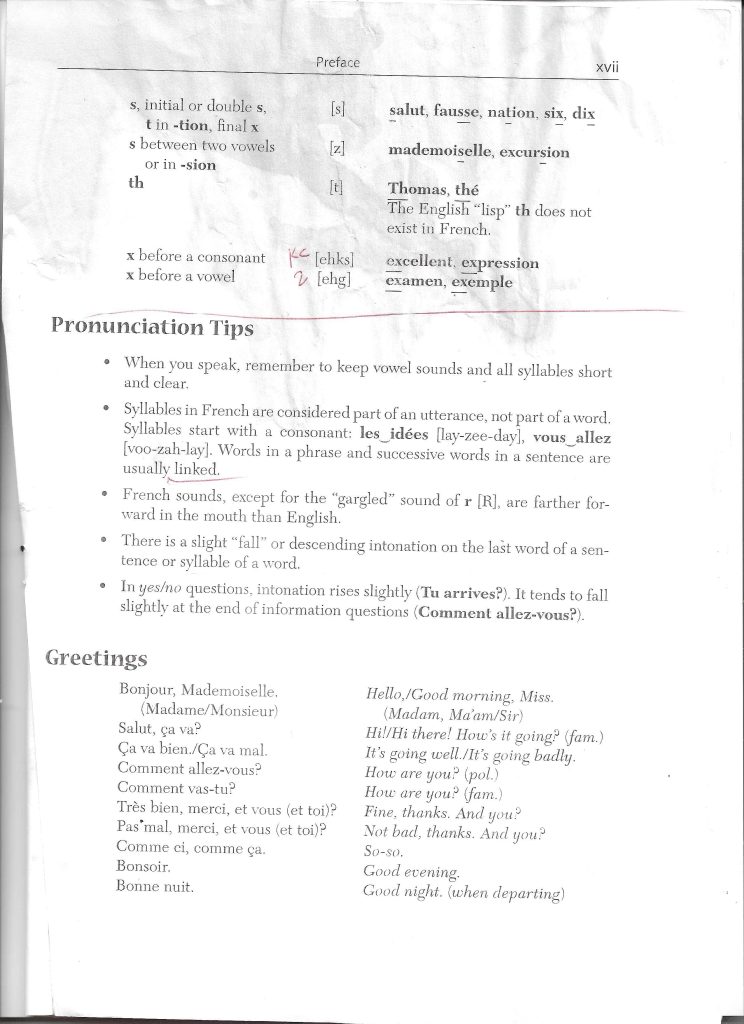
Here is a systematic, classified list of French spelling-to-pronunciation rules. These are the rules you need to go from a written French word to its correct pronunciation. They are highly reliable, with noted exceptions.
I have organized them into 8 main categories, numbered within each for clarity. Total distinct rules: about 35–40, but many are simple.
Forvo.com
Use https://forvo.com/ to test real sound.
Summary A
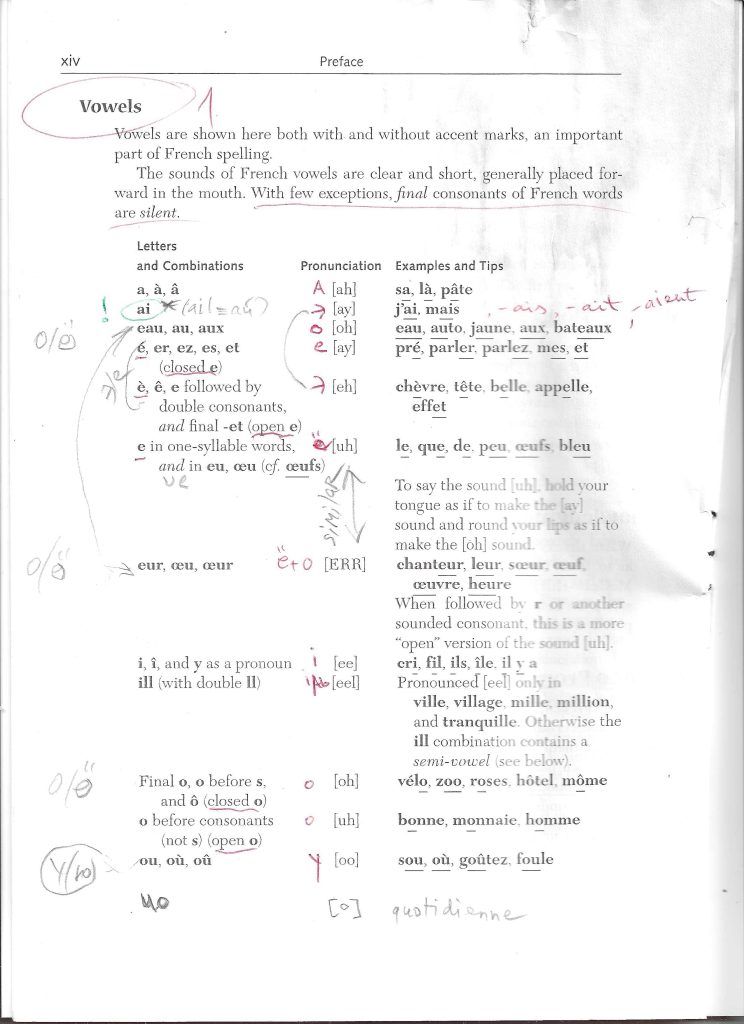
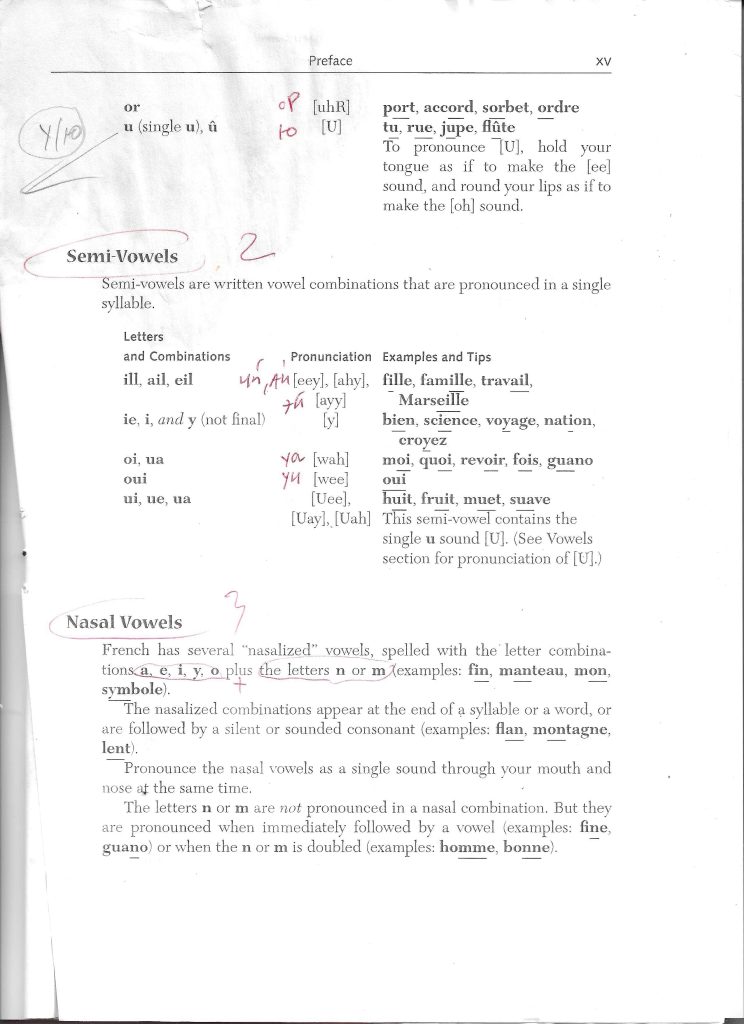
Summary B
Category 1: Single Vowels (a, e, i, o, u, y)
| # | Rule | Example | Exception / Note |
|---|---|---|---|
| 1.1 | a → /a/ (like «father») | sa, la, chat | Before /z/ or in some contexts → /ɑ/ (less common, e.g., âme, pas – but many dialects merge) |
| 1.2 | â → /ɑ/ (back a, more open) | pâte, âne | |
| 1.3 | e in closed syllable (followed by consonant within word) → /ɛ/ (like «bet») | mer, elle, vêtement | |
| 1.4 | e in open syllable (final or before one pronounced consonant, then vowel) → /ə/ (schwa) or /ø/ in some contexts. Default: /ə/ | le, de, je, fenêtre (first e) | Schwa can be dropped in speech, but pronunciation rule is /ə/ |
| 1.5 | é → /e/ (closed e, like «ay» without glide) | été, café | |
| 1.6 | è, ê → /ɛ/ (open e) | père, fête, mère | |
| 1.7 | e before two pronounced consonants (except for certain clusters) → /ɛ/ | belle, terre, perte | |
| 1.8 | e before final pronounced consonant (esp. -et, -er, -ez) → /e/ in -er, -ez; /ɛ/ in -et | parler /e/, allez /e/, bonnet /ɛ/ | Exception: et (and) → /e/ |
| 1.9 | i, î → /i/ (like «see») | si, île, lit | |
| 1.10 | y between vowels → [j] + /i/ (essentially two i’s, often pronounced /j/ as consonant) | payer → /pɛ.je/ (y = /j/) | Otherwise y = /i/ as in style |
| 1.11 | o → /ɔ/ (open o) when followed by a pronounced consonant (except in final open syllable) | porte, homme, robe | |
| 1.12 | o → /o/ (closed o) when in final open syllable or before /z/ | dos, rose, chose | |
| 1.13 | ô → /o/ | côte, hôtel | |
| 1.14 | u → /y/ (rounded i, like German ü) | tu, sur, lune | No English equivalent; lips rounded while saying «ee» |
| 1.15 | û → same /y/ | sûr |
Category 2: Nasal Vowels (Vowel + n/m at end of syllable)
Nasal vowels occur when a vowel is followed by n or m that is not followed by another vowel or a pronounced nasal consonant. The n/m is not pronounced as a separate consonant.
| # | Rule | Example | Exception |
|---|---|---|---|
| 2.1 | an, am, en, em (before consonant or end of word) → /ɑ̃/ (nasal a) | enfant, champ, vent, temps | If followed by vowel, no nasal: amener /a.mə.ne/ (n pronounced, vowel oral) |
| 2.2 | in, im, ain, aim, ein, en (some cases) → /ɛ̃/ (nasal e) | vin, simple, pain, faim, plein, examen (final -en) | Examen is /ɛɡ.za.mɛ̃/ – note the m is not pronounced? Actually examen ends with nasal vowel /ɛ̃/ but spelling -en. Rule holds. |
| 2.3 | on, om → /ɔ̃/ (nasal o) | bon, nom, ombre | |
| 2.4 | un, um → /œ̃/ (nasal eu, like «uh» nasal) – merging with /ɛ̃/ in many dialects | un, parfum | In Parisian French, /œ̃/ → /ɛ̃/ |
| 2.5 | ien → /jɛ̃/ | bien, rien | |
| 2.6 | ion → /jɔ̃/ | lion, avion | |
| 2.7 | oin → /wɛ̃/ | loin, point |
Important: If n/m is followed by a vowel (or another n/m that is pronounced), the nasal vowel is lost: bonne /bɔn/ (oral o + n).
Category 3: Consonants – General Principles
Many final consonants are silent unless followed by a vowel (liaison). Some are always pronounced.
| # | Rule | Example | Exception |
|---|---|---|---|
| 3.1 | Final consonants are usually silent: d, p, s, t, x, z, g, r? (partial) | pied (d silent), champ (p silent), bas (s silent), chat (t silent), choix (x silent), riz (z silent), sang (g silent) | |
| 3.2 | Final c is usually pronounced /k/ | sac, avec, croc | Exception: blanc, estomac, tabac – c silent? Actually blanc → /blɑ̃/ (c silent), tabac /ta.ba/ (c silent). So rule: c after nasal vowel often silent. |
| 3.3 | Final f is usually pronounced /f/ | neuf, actif, cerf | Exception: clef (key) – but often pronounced /kle/ or /klef/; modern French tends to pronounce f. |
| 3.4 | Final l is usually pronounced /l/ | bel, sol, avril | Exception: fusil, sourcil, outil – l silent? Actually fusil = /fy.zi/ (l silent), sourcil = /suʁ.si/ (l silent). These are exceptions. |
| 3.5 | Final r is pronounced in -er (verbs and many nouns) → /e/ or /ɛʁ/? Actually -er in verbs = /e/ (e.g., parler). -ir, -oir, -eur have /ʁ/ pronounced. So final r after e is silent? Wait: mer /mɛʁ/ (r pronounced). So need subrules: | ||
| 3.5.1 –er (verb infinitive) → /e/ (no r sound) | manger /mɑ̃.ʒe/ | But hiver (winter) → /i.vɛʁ/ (r pronounced) | |
| 3.5.2 –ier, –er as noun/adjective (e.g., cher, fer) → /ɛʁ/ | cher /ʃɛʁ/, fer /fɛʁ/ | ||
| 3.5.3 –ir, –oir, –eur → /iʁ/, /waʁ/, /œʁ/ | partir /paʁ.tiʁ/, voir /vwaʁ/, fleur /flœʁ/ | ||
| 3.6 | Final silent letters are pronounced in liaison (when next word starts with vowel or silent h) | les amis → /le.za.mi/ (s pronounced /z/) | Liaison is optional in some cases, but rule exists |
Category 4: Common Consonant Digraphs and Contextual Rules
| # | Rule | Example | Exception |
|---|---|---|---|
| 4.1 | ch → /ʃ/ (like «sh») | chat, chercher | In words of Greek origin: chorale → /kɔ.ʁal/ (k sound). But rare. |
| 4.2 | ph → /f/ | photo, téléphone | |
| 4.3 | th → /t/ (never /θ/ like English) | théâtre, thé | |
| 4.4 | gn → /ɲ/ (like «ny» in canyon) | montagne, signe | |
| 4.5 | qu → /k/ (never /kw/) | qui, que, quand | |
| 4.6 | gu before e,i → /g/ (u is silent to keep hard g) | guerre, guide | Otherwise gu = /g/ normally |
| 4.7 | ge before a,o → /ʒ/ (e is silent but softens g) | mangeons, geôle | Actually ge before a/o: insert e to keep /ʒ/ sound |
| 4.8 | ç → /s/ (c cedilla) | garçon, leçon | |
| 4.9 | c before e,i,y → /s/ | ceci, citron, cycle | |
| 4.10 | c before a,o,u or consonant → /k/ | café, corde, classe | |
| 4.11 | g before e,i,y → /ʒ/ (like «measure») | gel, girafe, gymnase | |
| 4.12 | g before a,o,u or consonant → /g/ | gare, gorge, grand | |
| 4.13 | s between vowels → /z/ | rose, maison, chaise | |
| 4.14 | s elsewhere → /s/ | sans, si, pasteur | |
| 4.15 | ss → /s/ (always unvoiced) | passer, classe | |
| 4.16 | x usually → /ks/ | texte, axe | Exception: x in dix, six → /dis/, /sis/ (but liaison: dix ans → /di.zɑ̃/). Also deuxième → /dø.zjɛm/ (x = /z/). |
| 4.17 | x in deux, eux, vieux → /z/ only in liaison; otherwise silent. Actually final x silent: deux /dø/ (x silent) | ||
| 4.18 | ill after a vowel → /j/ (like «y») | travailler, bouteille | Exception after i? ville → /vil/ (l pronounced). Rule: after i, «ill» = /il/ except some words like fille /fij/ (but that’s /j/). Actually need subrule: «ill» pronounced /ij/ after most consonants except? This is complex. Simpler: most -ille = /ij/ (fille, brille). |
| 4.19 | ti before vowel → /s/ (except if t is first in prefix) | nation, attention → /na.sjɔ̃/, /a.tɑ̃.sjɔ̃/ | titi (nickname) → /ti.ti/ (no change) |
Category 5: Silent Letters – Specific Positions
| # | Rule | Example | Exception |
|---|---|---|---|
| 5.1 | h is always silent (but distinguishes h muet vs h aspiré – the latter blocks liaison) | hôpital /o.pi.tal/, haricot (h aspiré: no liaison: les haricots → /le a.ʁi.ko/ not /le.za.ʁi.ko/) | |
| 5.2 | e at end of word is silent (but affects preceding consonant pronunciation? No, just silent) | porte /pɔʁt/ (e silent) | |
| 5.3 | ent at end of 3rd person plural verb is silent | ils parlent → /il paʁl/ (ent silent) | But in adverb: récemment – the -ent is pronounced /ɑ̃/ (nasal). Exception. |
| 5.4 | es at end of word (plural) silent, except liaison | les chiens → /le ʃjɛ̃/ (es silent) | |
| 5.5 | d in quand, grand before consonant? Actually final d silent, but in liaison pronounced /t/ | grand homme → /ɡʁɑ̃.tɔm/ |
Category 6: Vowel Combinations (Digraphs & Trigraphs)
| # | Rule | Example | Exception |
|---|---|---|---|
| 6.1 | ai, ei → /ɛ/ (open e) | maison, peine, neige | ai in verb future? aurai → /o.ʁe/ (closed e). Actually ai at end of verb = /e/ (e.g., j’aurai). |
| 6.2 | au, eau → /o/ (closed o) | au revoir, beau, cadeau | |
| 6.3 | eu, œu → /ø/ (closed) or /œ/ (open). Rule: in final open syllable → /ø/ (peu, deux); in closed syllable → /œ/ (peur, fleur) | ||
| 6.4 | oi → /wa/ | moi, boire, noir | |
| 6.5 | ou → /u/ (like «oo») | nous, jour, cou | |
| 6.6 | ui → /ɥi/ (y sound + i) | nuit, fruit, puis | |
| 6.7 | oe → /ø/ or /œ/ (same as eu). Rare; in œil → /œj/ (special) | œuf /œf/, bœuf /bœf/ | |
| 6.8 | ay, ey → /ɛj/ (before vowel) or /e/ (at end) | pays /pɛ.i/ (actually /pɛ.i/ but often /pe.i/). Better: ay = /ɛj/ before vowel: paye /pɛj/ |
Category 7: Liaison Rules (Linking silent final consonant to following vowel)
Liaison is optional or mandatory depending on context. Here are basic rules for predicting pronunciation:
| # | Rule | Example |
|---|---|---|
| 7.1 | Mandatory liaison after determiners (les, des, ces, mon, ton, son, etc.) | les enfants → /le.zɑ̃.fɑ̃/ |
| 7.2 | Mandatory after short prepositions (dans, chez, sans, sous, en) | dans un an → /dɑ̃.z‿œ̃.n‿ɑ̃/ |
| 7.3 | Mandatory after adjectives before noun | petit ami → /pə.ti.ta.mi/ |
| 7.4 | Optional in less formal speech after verbs, etc. | ils ont → /il.z‿ɔ̃/ (common) |
| 7.5 | Forbidden liaison after et, after a noun (plural), before h aspiré | et elle → no liaison; des haricots → no liaison |
The consonant in liaison often changes pronunciation: s/x → /z/, d → /t/, t → /t/, n → /n/, etc.
Category 8: Stress and Intonation
French has no phonemic stress (stress doesn’t change word meaning). The stress is always on the last full syllable of a rhythmic group (usually the final syllable of a word when said alone). So rule:
| # | Rule | Example |
|---|---|---|
| 8.1 | Word stress falls on the final pronounced syllable (excluding silent e). | parler → /paʁ.ˈle/ (stress on last e); porte → /ˈpɔʁt/ (only one syllable? Actually /pɔʁt/ – stress on that sole syllable). |
How Many Rules?
You have about 50+ specific rules above, but many are simple one-liners. For a learner, the core rules are about 20 essential ones. The rest are refinements or exceptions.
Essential rules to memorize first (top 10):
- Final consonants are silent (d, p, s, t, x, z) – with a few exceptions.
- Nasal vowels: an, in, on, un (and their spellings).
- e = /ɛ/ in closed syllable, /ə/ in open syllable, /e/ with accent é.
- ai/ei = /ɛ/.
- au/eau = /o/.
- ou = /u/.
- oi = /wa/.
- c = /s/ before e,i,y; otherwise /k/.
- g = /ʒ/ before e,i,y; otherwise /g/.
- ch = /ʃ/, qu = /k/, ph = /f/, th = /t/.
With these and the liaison principle, you can correctly pronounce >95% of written French words.
Would you like a printable summary table of just the core rules?
